MANAGE YOUR COOKIE PREFERENCES

We use necessary cookies to make our site work and to give you the best possible experience. If you are happy for us to do so, we would also like to set optional analytics cookies to help us improve this site by collecting and reporting information on how you use it. We won’t set these optional analytics cookies unless you tell us it is OK to do so using the tick box below.

For more information on how any of our cookies work, please refer to our privacy policy.

Overwhelming Gratitude

I took the day off on Monday…to write thank you cards. Gratitude is the adult coloring book of my life; in good times and bad, saying thank you puts everything in perspective for me.

This week, I was writing thank you’s to the more than 100 donors that contributed to our year end giving campaign. They – YOU – didn’t donate to Born This Way Foundation, instead you joined alongside our team in investing in 35 nonprofit organizations from California to Florida.

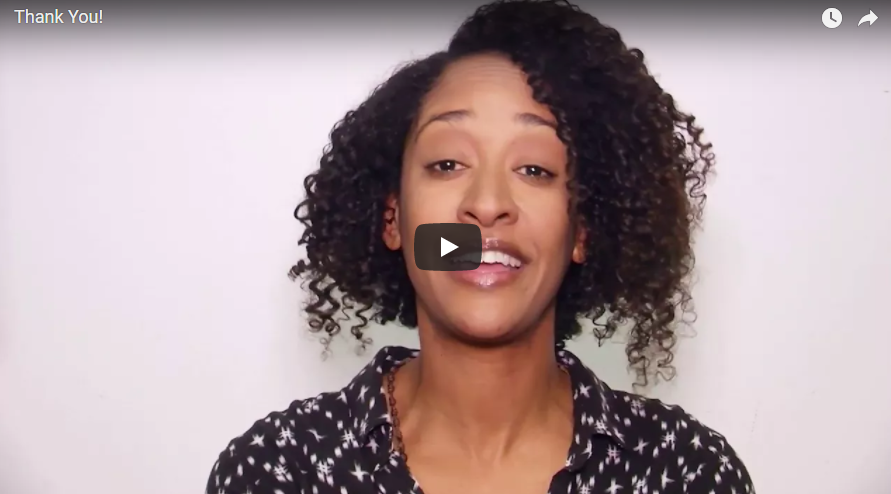
Born This Way Foundation was so moved by our community’s response to this campaign we decided to match every dollar donated – and Lady Gaga did as well. That means these 35 grassroots organizations will receive more than $1,000 each. We wanted to make sure you know how big of a difference this support is making, so we invited these groups to record a message for all of you who made this possible…

The Channel Kindness Tour was an amazing success by so many measures and for me, it was one of the most fun, inspiring, and purposeful periods of my life. As I sat in the coffee shop, with thank you cards sprawled in front of me and an open excel document in front of me, I looked at the list of names and my heart almost burst from not only the number of people that joined our crazy experiment, but the number of friends, colleagues, and family members that supported these amazing groups like Pridelines in Miami or Khloe Kares in Los Angeles.

Lane and Ky, from Lady Gaga’s team, had already spent countless hours making our in venue activations possible and our community events as successful as possible. In each venue, Lane would store hundreds of donated toiletries for us, until the next time we stopped at a local non-profit and could distribute them to incredible young people in need of such basic necessities. They each donated; adding to the time, treasure, and talent that they had already so generously given to the Foundation.

There was Rex, Amanda, and Emma, friends and colleagues who give each and every time we ask – of all that they have – and are such incredible ambassadors of our mission. And right down at the end of the document, a familiar and unexpected name popped up: my mother in law, Ruth.

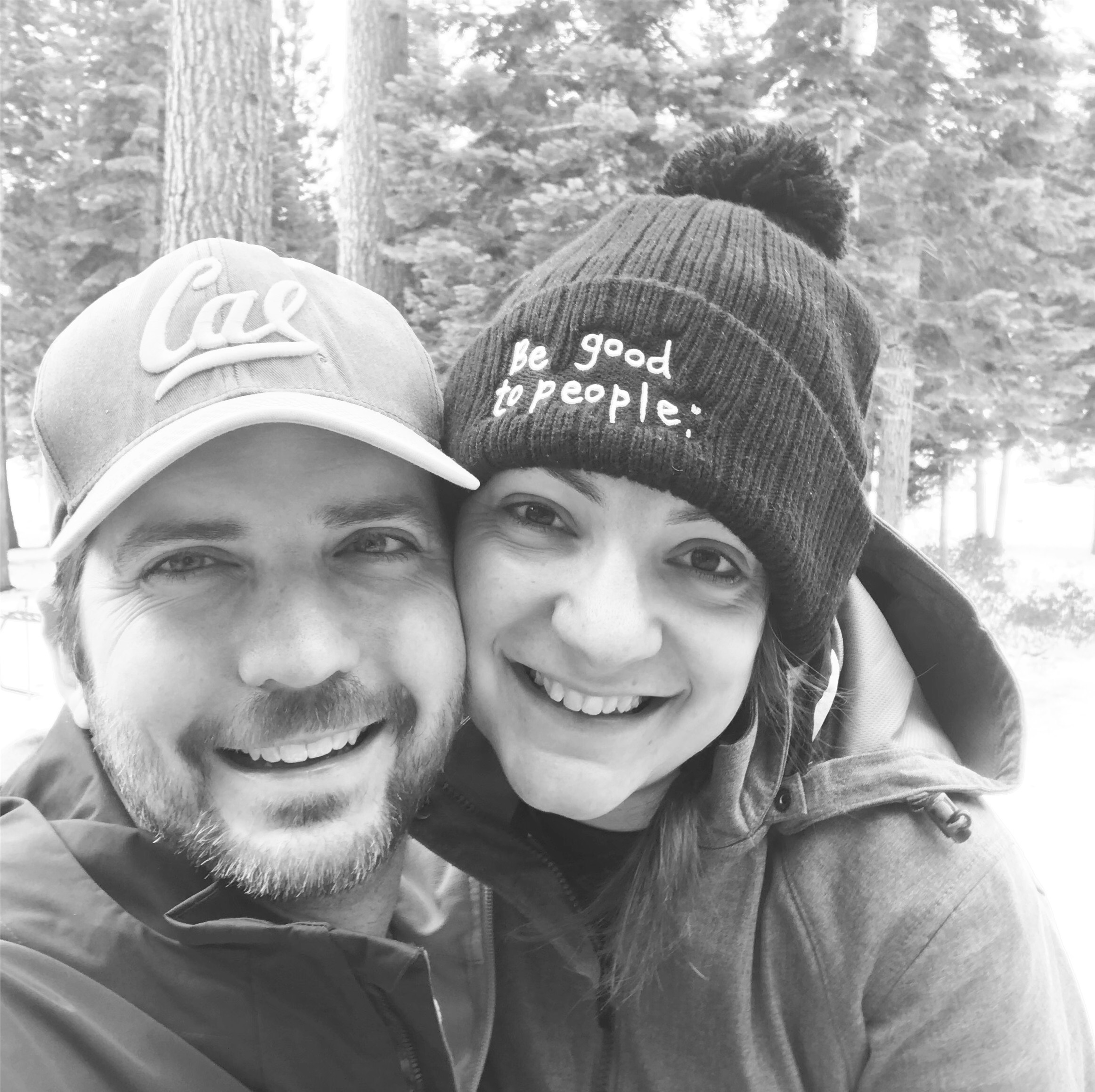
We had seen each other half a dozen times since she had made the donation in December, but she hadn’t mentioned it to either my husband or me. This tour had taken me away from her son more than she might have liked (though she never mentioned that either) and it required her to drive the 200+ miles to my house more often than perhaps she had time for. It probably even required her to put a pin in a map to remember where I was and what time zones I was in before she called and still, after giving all of herself – truly – to my family, she gave to Born This Way Foundation.

I am overwhelmed by these names, their stories, and what they made possible for the dozens of organizations that will benefit from their generous support. Thank you, from the bottom of my heart, for supporting Born This Way Foundation on the road, in communities, online, and with your donations. I hope you know, and that you feel, how incredibly important you are to each of us – personally and professionally.
Introducing: Been There / Done That

If you’re like us, you have questions – about life and health and mental wellness and relationships and friendships and school and careers and…pretty much everything. And what do you do when you have questions? You ask people who have been there, who can use their smarts and their experience to point you in the right direction.

We know the BTWF community is full of both people who have questions and people who have answers (or at least some really great ideas about where to get started), so we’re going to try an experiment to help bring the two together.

Introducing, Been There / Done That: a new video series from BTWF that takes some of your most pressing questions – the things you’ve been meaning to ask, the things you’ve been afraid to ask, the things you need to know – and gets answers from some of the smartest, funniest, kindest, and bravest people we know. It’s a little perspective from people who have been there, done that, and are a little bit wiser for it.

Here’s how it will work:

    1. We’ll announce a topic we know a lot of you are hungry to talk about, and you’ll send us your questions about it using this super easy form.
    2. Our BT/DT Expert for that topic will record a video answering your questions – big and small – and we’ll share it with all of you.
    3. Want to add your own perspective? Share a video on social media of yourself answering the questions – just make sure to include #BTWFBeenThere so we can all follow the conversation.

We’ll be kicking off Been There / Done That on February 14th with our very own Maya Smith, joined by her very own David Smith. In honor of Valentine’s Day, this awesome couple will be taking your questions on work / life balance when “life” includes two busy young professionals and two kids under the age of five.

Submit your questions for Maya and Dave here by February 9th!

Have ideas about possible BTDT Experts, topics, or just general thoughts about this little experiment of ours? Shoot us an email! 

Introducing Our 2018 Class of Channel Kindness Reporters!

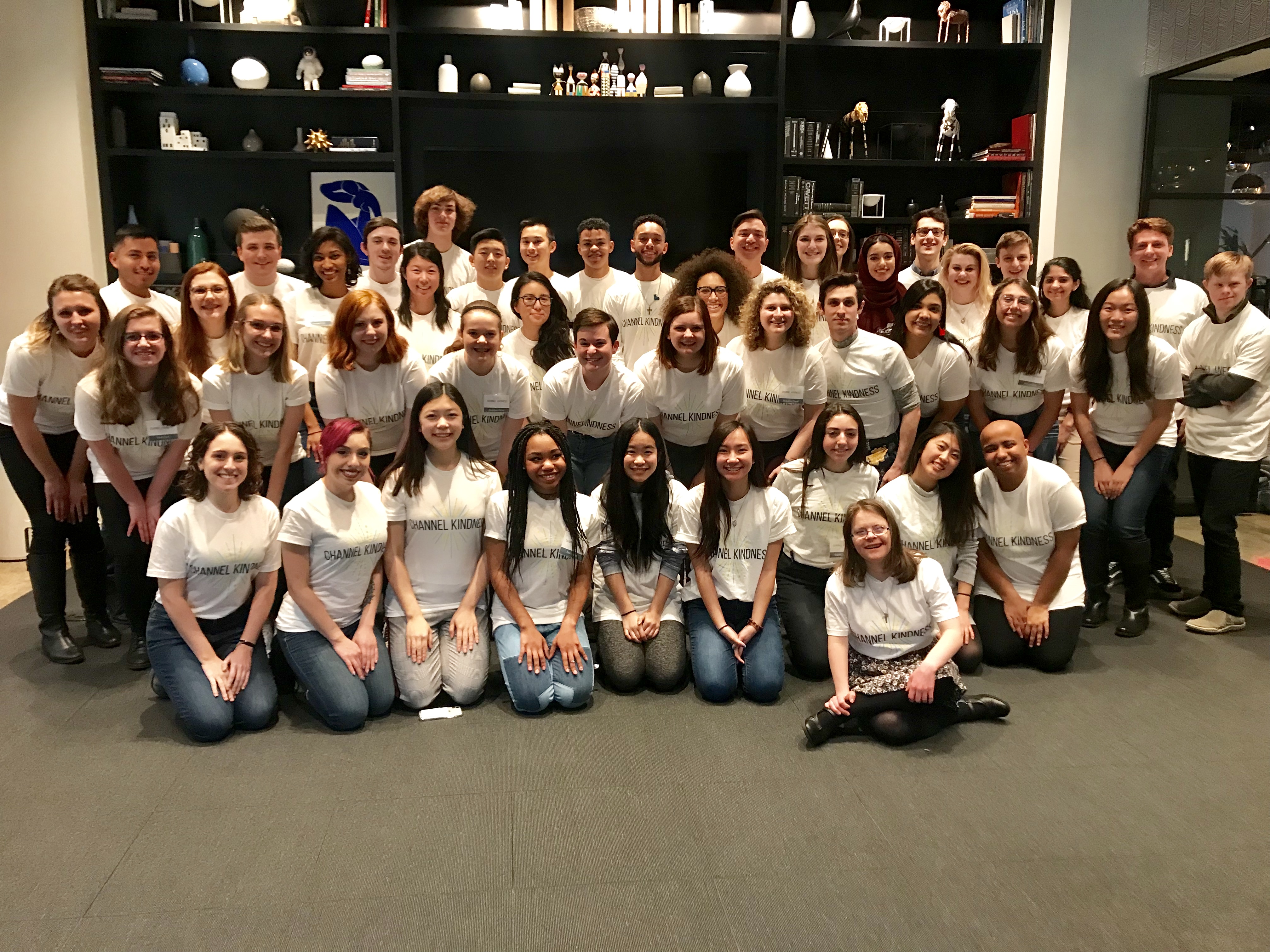
Channel Kindness is proud to announce our 2018 class of Reporters – 50 young people strong, representing every region of the country.

Our team poured over hundreds of applications and – after reading their thoughtful essays and watching their creative and captivating videos – these young people stood out. And this weekend, we had the delight and privilege to meet them in person at our annual Channel Kindness Convening in New York City.
On planes, trains, and buses these young people arrived, welcoming each other, getting to know one another with curiosity and kindness. Kirah from Washington, Taylor from Indiana, Deshlee from Tampa, Nicholas from Walnut Creek and so many more. As I watched them add each other on Instagram and compare class schedules, I thought about the reasons we started Channel Kindness.

We wanted young people to have a platform on which they could convene, contribute to, and lead meaningful conversations. We wanted to invite them to tap into the diversity, idealism, passion, collaboration, and tech savvy of this generation and continue to leverage it for good. We wanted them to ask good questions, dive into relationships with curiosity and lift up their voices across their various communities.

We had timelines, checklists, and dashboards of how that would happen but now, as I ate my tenth Ghiradelli sea salt chocolate and watched the young people find their seats, their new friends, and their voices, I realized we hadn’t brought them together to talk to them about how to do it, we had brought them together to watch them do it; for them to teach us.

The stories that these young people will tell on Channel Kindness will be important, provocative, kind, and challenging – and I’ll read every single one of them. The thing that I can’t put on a check list or timeline is how this invitation will change these young people and how their acceptance will change us.

I sat on the stage for an hour with them, just answering questions from “How do you think about your role as a mother and an Executive Director?” to “How did Born This Way Foundation start?” and everything in between. I sat – in meaningful conversation – with these incredible young people and for 36 hours, I got to keep it (and them) to myself. Now, I am so proud to invite you in and introduce you to the hearts and minds that make up Channel Kindness.

Now that they’re not just mine, and we’re putting them on a much larger stage for all of you to appreciate and be inspired by, I have two favors to ask of you:

  • Follow Channel Kindness on Twitter, Facebook, and Instagram so you don’t miss a single story from these awesome young people
  • Submit an idea for a Channel Kindness story! The Reporters are hard at work on their first stories of the year and need ideas about the acts of kindness and compassion – big and small – happening in your life.

My job is to eat chocolate and get out of the way of these fearless leaders – to use every chance I have to talk, write, and think to amplify their voices, their stories, and the world through their eyes. To each and every one of our Channel Kindness Reporters, I hope we make you proud, because you’ve floored us.

Welcome and Thank You!

Shedding Light on Mental Health Stigma and the Truth About Treatment

At Born This Way Foundation, we’re proud to shine the light on organizations that are helping make the world a kinder, braver place. This month, we are excited to showcase Seattle Children’s Hospital, an organization actively working to help young people in crisis and destigmatize mental health treatment. Tune into our Twitter #KindnessChat on January 24 at 1 p.m. to learn more about their work.

John Madden, now 22 years old, has referred to his stay as a teenager in the Seattle Children’s Psychiatric and Behavioral Medicine Unit as the 10 most important days of his life.


When John Madden was 16 years old, the growing stress from his demanding academic schedule became a catalyst for larger issues.

Madden had withdrawn from friends and family. His misuse of prescription medication and use of illicit drugs to cope with the stress further aggravated undiagnosed mental conditions. Bouts of depression and mania sometimes left him sleepless for days with little control over his thoughts and actions.

Madden recognized he needed help, but he was not relieved when he was admitted to the Seattle Children’s Psychiatry and Behavioral Medicine Unit (PBMU).

“I had this Hollywood view of treatment and thought it was going to jump from talking to being restraint-oriented, locked in a room and treated sub-human,” Madden said. “I wanted to avoid that stigma about what goes on in mental health hospitals.”

A restraint- and seclusion-free healing environment
Madden’s experience in the PBMU sharply contrasted his expectations of over-the-top treatment dramatized in pop culture. He has called his time in the PBMU the 10 most important days of his life.

“At first, I didn’t want to be there,” Madden said. “Part way through my stay, I felt more comfortable and my mindset changed. I was able to sleep for eight or nine hours for the first time since I could remember.”

There weren’t any doctors in lab coats or orderlies carrying patients away. The door to his room was unlocked and Madden could walk around the unit whenever he wanted.

“Our PBMU is a soft landing spot for children and teens who may need to pause and reset,” Seattle Children’s PBMU Director Ann Moore said. “The goal is to meet patients and families where they’re at and equip them with skills to better cope with the challenges in their lives.”

Group discussions and conference calls with Madden’s parents were part of daily treatment.

“It was very low-key, guided group therapy,” Madden said. “You didn’t know you were getting treatment. It was more about sharing what you do when you’re struggling with something.”

Madden spent part of his time identifying what triggered his conditions and worked on strategies to deal with them. He learned healthy coping skills and received medications to help manage his conditions.

Madden’s PBMU experience helped form a solid foundation to better address the challenges brought on by his conditions in the five years since. He graduated high school on time and completed training as a welder. Now 22 years old, Madden sets daily goals as part of managing his conditions. He works full-time and lives on his own.

“I like to think that I live a pretty normal life,” Madden said. “This is just like any other illness. It doesn’t condemn you.”

Accepting mental health conditions, rejecting the mental health stigma
Misconceptions like those Madden had prior to his own experience help feed and are sometimes influenced by widespread stigma surrounding the subject of mental health. Stigma, or shame associated with a circumstance, quality or person, is a frequently cited barrier keeping many people from seeking treatment or communicating about mental health issues.

“Patients and families feel judged when dealing with mental health issues, like they’ve failed and allowed this to happen,” Moore said. “That’s just not the case. It’s not our place or anyone else’s to pass judgement on why a person comes to us for help.”

Stigma exist surrounding mental illness despite its prevalence in the United States:

  • The Centers for Disease Control and Prevention estimates that nearly half of all adults in the U.S. will develop a mental illness in their lifetime; and 25% of U.S. adults—more than 40 million—have a mental illness.
  • Nearly 12% of 12- to 17-year-olds reported a major depressive episode in the past year, and rates of severe depression in youth increased from 5.9% in 2012 to 8.2% in 2015, according to Mental Health America.

Moore wants parents and children to understand that reaching out for help or speaking about behavioral and mental issues should feel natural and normal.

“If a child breaks a leg or gets strep throat, they see a doctor,” Moore said. “Other children might be so anxious and worried that they can’t function. There are treatments and interventions for all of these experiences.”

Reaching out to address mental health issues
It can be difficult to detect symptoms of mental health issues early on. If a mental or behavioral specialist isn’t available, parents should feel comfortable reaching out to their pediatrician or primary care provider, who can work on next steps for care.

Madden urges people of all ages to use their voice when they experience problems, and for others to listen to them.

“Whether someone is experiencing challenges big or small, reach out,” Madden said. “There are resources for everyone from all walks of life, regardless of income level. I think it’s important for parents to connect with their child and trust in them even if they can’t understand what their child is telling them.”

Resources for children and families
Seattle Children’s Psychiatry and Behavioral Medicine Patient and Family Resources

For all U.S. residents: Substance Abuse and Mental Health Services Administration (SAMHSA) National Helpline1-800-662-4357 is a confidential, free, 24-hour-a-day, 365-day-a-year, information service, in English and Spanish, for individuals and family members facing mental and/or substance use disorders. This service provides referrals to local treatment facilities, support groups, and community-based organizations.

Resources
How 10 Days at Seattle Children’s Changed My Life
CDC Mental Illness Surveillance
Washington State Department of Social and Health Services
Mental Health In America – Youth Data

150,000 People Trained In Mental Health First Aid By National Council For Behavioral Health & Lady Gaga’s Born This Way Foundation

WASHINGTON, D.C – Lady Gaga’s Born This Way Foundation and the National Council for Behavioral Health today announced that 150,000 people were trained in Mental Health First Aid as part of their joint effort to spread awareness and empower people to help those experiencing mental health and substance use challenges.

Mental Health First Aid USA, a groundbreaking program of the National Council for Behavioral Health, teaches people how to identify, understand and respond to signs of mental health and substance use challenges and crises. More than 1 million people across the United States have been trained in the program thus far.

“The partnership with Born This Way Foundation and the National Council really struck a chord,” said Linda Rosenberg, president and CEO of the National Council for Behavioral Health. “Lady Gaga is not only one of America’s biggest and brightest stars – she has lived experience. Her courage and vulnerability have provided inspiration to people and they responded to her rallying cry by becoming trained in Mental Health First Aid.”

Born This Way Foundation was co-founded by Lady Gaga and her mother, Cynthia Germanotta, to empower youth to create a kinder, braver world. As part of the Foundation’s Channel Kindness Tour – a five-month series of youth engagement events and community gatherings ­– Mental Health First Aid trainings were held along all U.S. stops of Lady Gaga’s Joanne World Tour.

“Everyone should feel empowered to share their story and discuss their mental wellness without fear of judgment and everyone should know how to respond when they see someone in crisis,” said Cynthia Germanotta, President and Co-Founder of Born This Way Foundation. “Mental Health First Aid is a powerful tool to help demystify mental health and break down barriers to treatment.”

Read more on the National Council’s site.